
The Back Determines Everything Else
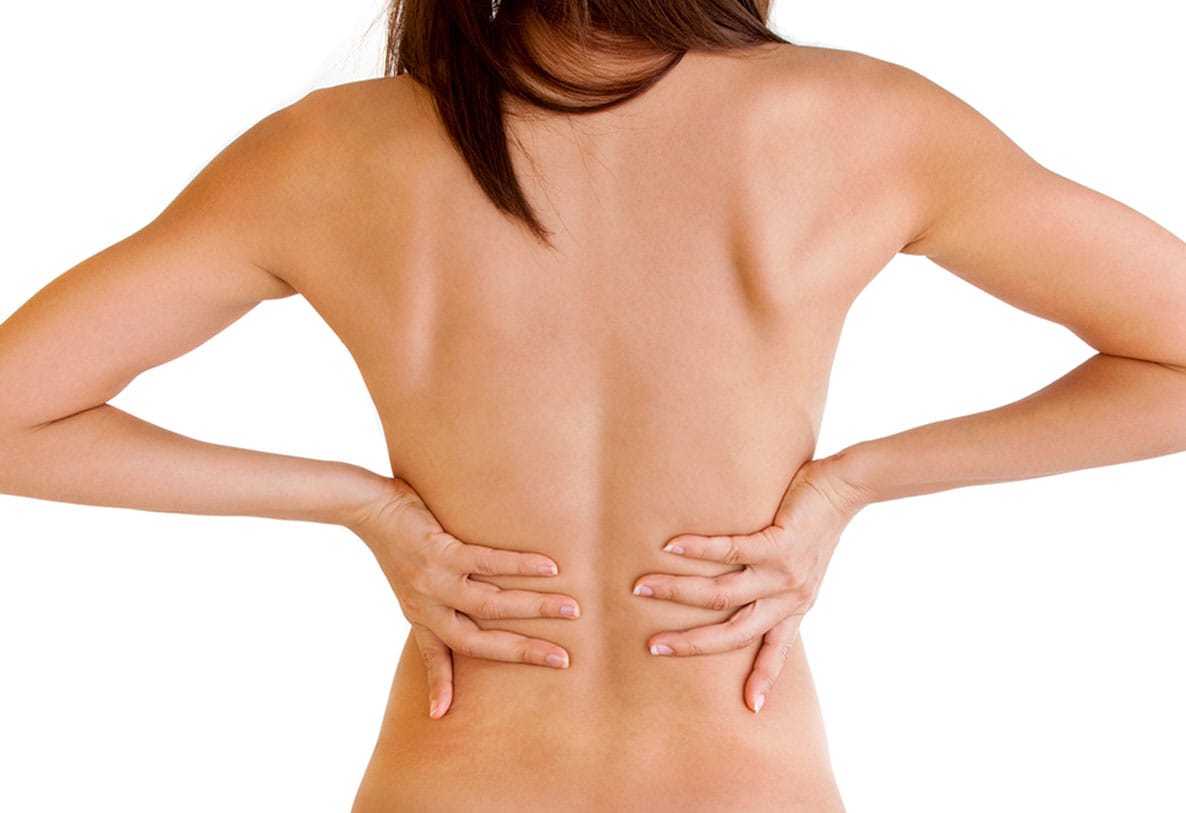
Most patients seeking body contouring after major weight loss arrive focused on the areas they see first—usually the abdomen, chest, and inner thighs. That’s natural. Those are the parts visible in the mirror each morning. Yet when I examine someone who’s lost a hundred pounds or more, it’s often the tissue laxity on their back, flanks, and upper buttocks that concerns me most. Excess skin in this region creates deep folds, persistent irritation, and functional issues that a traditional tummy tuck can’t solve.
A posterior body lift directly targets these issues. This procedure involves removing a circumferential or near-circumferential segment of excess skin and soft tissue from the lower back and hips. The main incision follows the lower back, extending around the hips. In many cases, I combine this with an anterior approach—a belt lipectomy or lower body lift—to reshape the waistline in one stage. Still, the posterior component is the true anchor of the operation. If the back isn’t managed correctly, the front abdominal contour rarely settles well.
Let me be clear: a posterior body lift is one of the most demanding surgeries I perform, both for myself and for my patients. We’re addressing large areas of tissue, working through long operative times, and managing real, sometimes significant recovery periods. These facts shouldn’t dissuade someone seeking dramatic transformation, but they do mean patient selection, surgical planning, and postoperative care must be exact.
Core Principles Behind Every Posterior Body Lift
When evaluating a post–massive weight loss patient, I begin with the posterior trunk—not for cosmetic reasons, but because the back’s tissue mechanics set the stage for everything else.
Laxity in the posterior trunk leads to a chain reaction. Excess skin in the lower back can roll over the waistband, drag the lateral thighs downward, and flatten the buttocks, creating a draped, shapeless silhouette. Many patients talk about sitting on skin folds or dealing with chronic skin irritation under the buttocks. Some have battled persistent fungal infections for years without being told surgery could help.
A posterior body lift addresses these concerns by excising a substantial ellipse of tissue—often as much as eight to twelve inches vertically—from the lower back and flanks. I always mark the lower incision first. This determines the new upper border of the buttock. The upper incision is tailored to maximize skin removal while ensuring a safe, tension-free closure. Judging this balance is more art than arithmetic.
Problems arise when surgeons remove too much tissue without accounting for the unique quality of post–weight loss skin. Collagen in this skin has been stretched and remodeled, sometimes for decades, and often can’t handle high suture tension. If the closure is too tight, wound breakdown is likely; if too loose, excess skin remains. Finding the right compromise for each patient is the procedure’s greatest technical challenge.
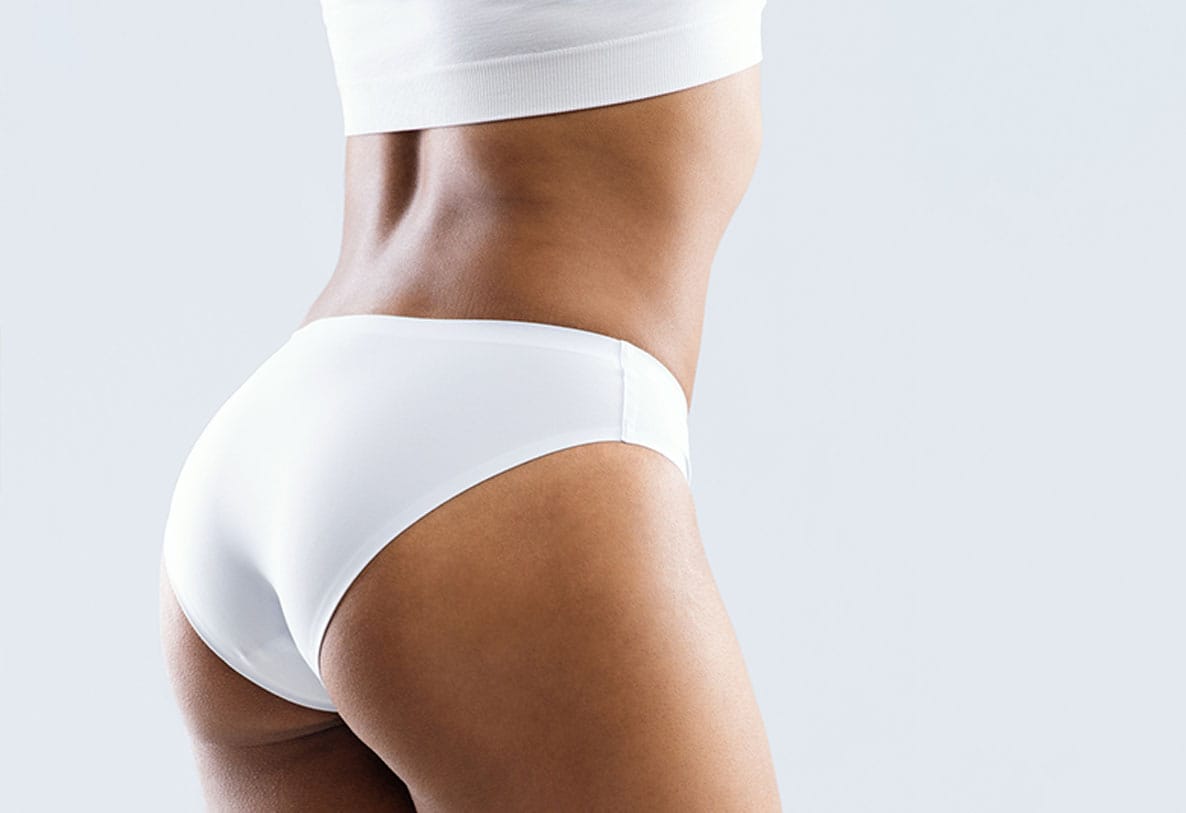
Gluteal contouring is also critical. During a posterior body lift, I don’t just remove skin—I also reshape and reposition the gluteal tissues. My auto-augmentation technique preserves a deep tissue flap from the excised specimen, securing it to the gluteal fascia to restore volume and projection. Without this, the buttocks can look flattened. Many post–weight loss patients have lost gluteal fat, and simply closing the skin makes them appear deflated. Using the patient’s own tissue for reshaping avoids the need for implants or fat grafts, restoring projection and form.
During consultation, I pay close attention to weight stability. I want to see at least three to six months of stable weight before scheduling surgery. This isn’t about hitting a specific number, but about ensuring the tissue I remove matches the current state—and that further weight loss won’t cause new laxity. Revisional surgery in this area, especially through previously scarred tissue, is significantly more complex than getting it right the first time.
Scar placement is a frequent concern. The resulting scar runs across the lower back—generally where underwear or bathing suit bottoms sit. There’s no avoiding a long scar in this procedure. What I can control is the closure quality and scar placement. I use a layered technique with progressive tension sutures, distributing force and helping the scar heal flat and thin over time. Yet, scar maturation in this population is unpredictable, and I’m always upfront about that fact with patients.
Operative Sequence and Recovery Realities
Posterior body lift procedures are logistically more complex than most body procedures—a reality every patient should understand.
For patients undergoing both an anterior and posterior body lift, this becomes a prone-to-supine operation. I start with the patient face-down to complete the posterior excision and gluteal reshaping, then carefully reposition them onto their back to address the front. This repositioning step isn’t minor. It demands seamless coordination between surgical and anesthesia teams, with diligent handling of all lines and drains. In my AAAASF-accredited operating suite, our board-certified anesthesia staff and surgical nurses rehearse these transitions carefully to avoid risks like pressure injuries, line disconnections, or nerve compression—none of which are acceptable.
Typical operative times for a combined circumferential body lift range from four to six hours, sometimes longer. I never rush. Posterior dissection requires meticulous tissue handling—preserving gluteal blood supply, developing flaps for auto-augmentation, and ensuring thorough hemostasis over a broad wound bed. Inadequate bleeding control could cause hematoma, a serious complication particularly in the back due to large dead space and gravity—potentially leading to infection if not promptly managed.
Regarding drains: Surgeons differ, but in my practice, I routinely use drains to reduce risk of fluid accumulation (seroma). I’ll place two drains in the posterior region as well as an additional anterior drain for a circumferential procedure. These typically remain one to three weeks, depending on output. Seromas in the back can become chronic, requiring repeated aspiration or even surgical intervention if not prevented at the outset.
Recovery from a posterior body lift is measured in weeks, not days. The first week is always the hardest—patients wear compression garments, manage drains, and face strict limits on reclining directly on their incisions. For at least two weeks, we recommend avoiding reclining on the incision; this means staying or sitting upright, lying on the side, and never resting in a reclined position. This disrupts normal routine. I urge patients who live alone to arrange reliable help ahead of surgery.
By three to four weeks, most are moving more freely. Still, I restrict strenuous activity or heavy lifting for a full six weeks—internal healing continues long after the skin appears closed. We’ve seen patients feel well at four weeks and overexert themselves, leading to wound separation right at the tension points. The upper crevice over the sacrum is especially at risk because it’s both structurally thinner and subjected to the greatest forces during sitting or bending.
Many patients ask about cost. I prefer to discuss exact pricing during consultation, after assessing your anatomy and surgical plan, as no two cases are alike.
Who Shouldn’t Have This Surgery
A posterior body lift isn’t right for everyone, even among those eager for a transformation.
Active smokers and vapers face elevated risk because smoke and vape fumes compromise blood oxygenation in the lungs, and the tissue flaps in this surgery rely on healthy perfusion. For that reason, I don’t operate on active smokers or vapers. Likewise, I maintain a conservative BMI threshold—usually around 35—since higher BMIs correlate with higher medical and wound healing complication rates in elective surgery. Patients with poorly controlled diabetes or significant cardiac risk must optimize their medical status prior to scheduling; these aren’t arbitrary restrictions, but lessons learned from real-world outcomes.
If you’re considering a posterior body lift or circumferential lower body lift following major weight loss, I evaluate candidates at the Plastic Surgery Center of Hampton Roads in Newport News, Virginia. Our comprehensive consultation covers detailed tissue assessment, a discussion of staging for those requiring multiple corrections, and an honest review of recovery tailored to your anatomy and lifestyle. To schedule a consultation, call (757) 873-3500.

Written by: Dr. Michael Cohen
Board-Certified Plastic Surgeon, Plastic Surgery Center of Hampton Roads
About Dr. Cohen