
Let me be frank with you—breast augmentation is one of the most personal decisions you’ll ever make. After performing thousands of these procedures over my 20+ years in practice, I’ve learned that every woman who walks through my door has her own unique story, goals, and concerns. Today, I want to have an honest conversation with you about what breast augmentation really involves, what you can expect, and how to make the best decision for your body and your life.
At the Plastic Surgery Center of Hampton Roads, we’ve been helping women achieve their aesthetic goals since 1995. But before we dive into the details, let’s address the elephant in the room: this isn’t just about size. It’s about proportion, confidence, and feeling comfortable in your own skin. Whether you’re looking to restore volume after pregnancy, correct asymmetry, or simply enhance your natural curves, understanding the full picture is crucial. If you’re ready to explore your options, schedule your consultation to discuss your specific goals.
Think of this guide as your roadmap. We’ll explore everything from choosing the right implant type to understanding recovery timelines. I’ll share insights from my years of experience, debunk common myths, and give you the tools to make an informed decision. Because here’s what I know for certain—the best outcomes happen when patients are educated, prepared, and working with a surgeon who truly listens to their goals.
Understanding Breast Augmentation
Your Options: Implant Types
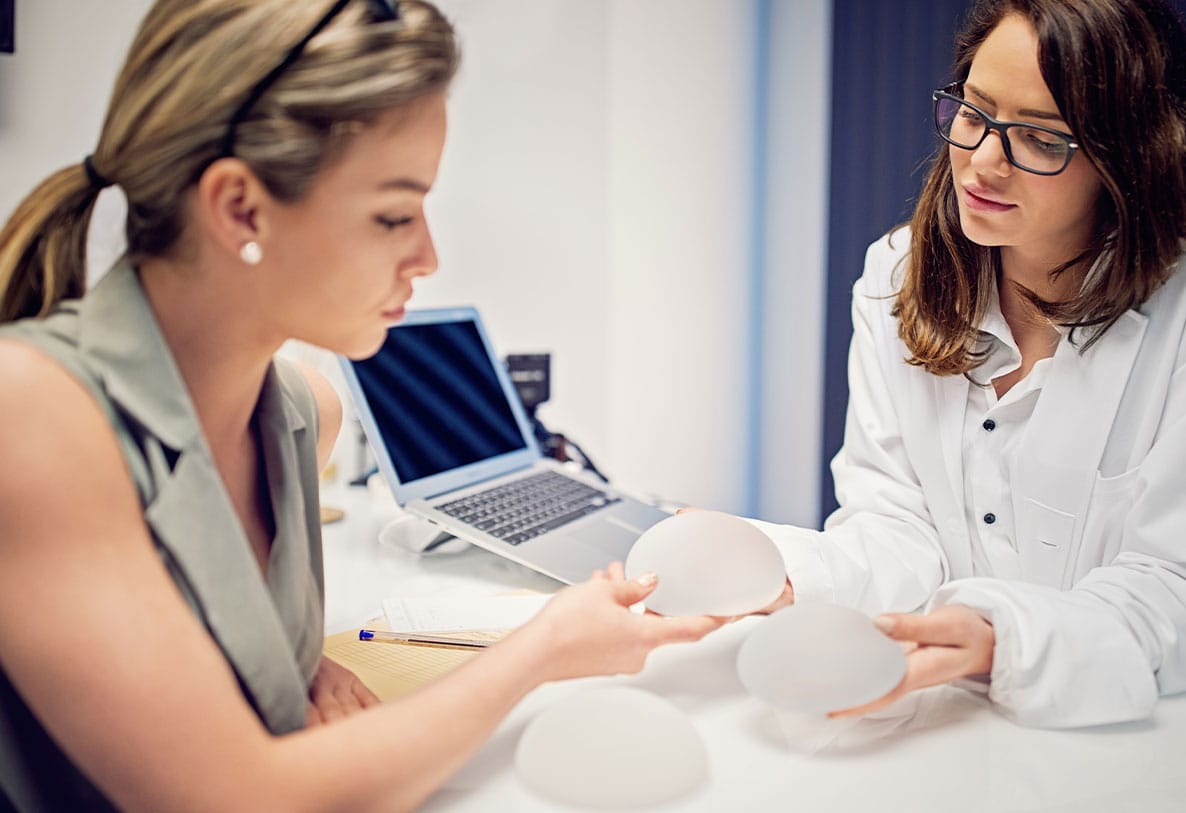
Let’s talk about the foundation of breast augmentation—the implants themselves. You essentially have two main choices: saline and silicone gel. Think of saline implants like water balloons—they’re filled with sterile salt water after placement, which means we can use a smaller incision. They’re FDA-approved for women 18 and older, and if they rupture, your body safely absorbs the saline. The downside? They can sometimes feel less natural, especially in women with minimal breast tissue.
Silicone gel implants, on the other hand, are more like a cohesive gel—imagine the consistency of a gummy bear. They tend to feel more natural and are less likely to show rippling. They’re FDA-approved for women 22 and older. The trade-off is that ruptures are harder to detect, which is why the FDA recommends regular monitoring with MRI or ultrasound. According to this authoritative resource, proper implant selection is crucial for achieving optimal results.
Placement Options
But here’s where it gets more nuanced—placement matters just as much as implant type. We can place implants either above the chest muscle (subglandular) or below it (submuscular). Above the muscle typically means easier recovery and more natural movement, but it works best if you have adequate breast tissue to cover the implant. Below the muscle provides better coverage, especially for thin women, and may reduce the risk of capsular contracture. However, recovery takes longer, and you might notice some animation when flexing your chest muscles.
The key is matching the right implant and placement to your anatomy and lifestyle. During consultation, we’ll discuss your daily activities, examine your chest wall, and consider factors like skin elasticity and existing breast tissue. This isn’t a one-size-fits-all decision—it’s about creating results that work specifically for you. For comprehensive treatment information, we’ll review all options during your personalized consultation.
What to Expect
The Consultation Process: What Really Happens
Here’s what surprises many patients—a good consultation is as much about listening as it’s about examining. When you visit our Newport News or Williamsburg office, we’ll start with a conversation. I want to understand not just what size you’re hoping for, but why you’re considering this procedure. Are you looking to restore lost volume? Balance asymmetry? Enhance your natural shape?
Physical Examination and Measurements
During the physical examination, I’ll assess several factors: your chest width, the position of your nipples, skin quality, and the amount of existing breast tissue. Think of your chest as a canvas—we need to understand its dimensions and characteristics before we can create your ideal result. I’ll take measurements and may use 3D imaging technology to help you visualize potential outcomes.
Your breast dimensions help us narrow down the range of sizes of implants that would fit you well. We then have you try on various bra inserts corresponding to these different sizes. This will give you a realistic sense of how different sizes will look and feel in your daily life. Try them under different clothes, move around, sit down – this hands-on approach helps eliminate surprises later.
Incision Options
We’ll also discuss incision options. The most common are inframammary (under the breast fold), periareolar (around the nipple), and transaxillary (through the armpit). Each has pros and cons regarding scar visibility, implant placement options, and potential impact on breastfeeding. Your anatomy and preferences will guide this decision. Following established professional standards ensures the safest approach for your specific case.
Finally, we’ll review before-and-after photos of patients with similar body types and goals. This isn’t about copying someone else’s results—it’s about setting realistic expectations and ensuring we’re on the same page about your aesthetic goals.
Investment and Value
Surgery Day and Recovery: The Real Timeline
Let me paint you a picture of what surgery day actually looks like. You’ll arrive at our facility in the morning, and we’ll review everything one more time. I’ll mark your chest while you’re standing—this is crucial for symmetry. The procedure itself typically takes 1-2 hours under general anesthesia. You’ll wake up wearing a surgical bra, feeling groggy but comfortable.
Early Recovery (Days 1–7)
Here’s where I need to be honest about recovery. If the implants are placed under the muscle, the first 3-4 days are the toughest. You’ll feel tight, sore, and tired. Think of it like the muscle soreness after an intense workout, but concentrated in your chest. Pain medication and muscle relaxers help, but the real key is rest and following post-op instructions. Keep your arms below shoulder level, sleep propped up, and let others help you.
By day 5-7, most patients turn a corner. The acute pain subsides, replaced by tightness and occasional shooting sensations—that’s your nerves waking up, which is actually a good sign. You can usually return to desk work after a week, though you’ll still tire easily. Driving is typically safe once you’re off narcotic pain medication and can turn the steering wheel comfortably.
Recovery Weeks 2–6
The 2-6 week period is about gradual improvement. Swelling decreases, though it can fluctuate daily. Your implants will feel high and tight—don’t panic. This is normal. It takes 3-6 months for implants to “drop and fluff” into their final position. Think of it like breaking in a new pair of shoes—they need time to settle. If you have questions during recovery, don’t hesitate to contact our office for guidance and support.
Exercise restrictions are real and important. No heavy lifting or strenuous upper body work for 6 weeks. Start with walking, progress to light cardio, then gradually reintroduce weights. Rushing this process risks complications and can affect your final result. Trust me—patience during recovery pays dividends in your long-term outcome.
Long-Term Considerations: What Nobody Talks About
Here’s something I wish more surgeons discussed openly—breast implants aren’t lifetime devices. Whether you choose saline or silicone, you should plan for the possibility of revision surgery in the future. On average, implants last 10-20 years, though I’ve seen them last much longer. Regular monitoring helps catch any issues early.
Capsular contracture is the most common complication, occurring when scar tissue around the implant tightens excessively. Think of it like shrink wrap getting too tight. It can cause firmness, distortion, or discomfort. While we use techniques to minimize this risk, it can still occur in about 10-15% of patients. The good news? It’s treatable, though it may require revision surgery.
Screening and Pregnancy Considerations
Let’s also address the impact on mammograms and breast cancer screening. Implants don’t increase cancer risk, but they can make mammograms more challenging. You’ll need additional views called Eklund views, where the technician pushes the implant back to visualize more breast tissue. Always inform your mammography technician about your implants. As outlined in these industry guidelines, proper screening protocols are essential for long-term health monitoring.
For women considering future pregnancies, here’s what you need to know: implants shouldn’t affect your ability to breastfeed, especially with inframammary incisions and submuscular placement. However, pregnancy and breastfeeding will change your breasts, potentially affecting your augmentation results. Some women choose revision surgery after completing their families to restore their preferred look.
Finally, let’s talk about breast implant illness (BII). While not officially recognized as a diagnosis, some women report systemic symptoms they attribute to their implants. As a surgeon, I take these concerns seriously. If you’re experiencing unexplained symptoms, we can discuss explantation options. Your health and peace of mind always come first.
Frequently Asked Questions
How do I choose the right size?
Start by collecting photos of results you like, but remember—what looks good on someone else might not suit your frame. During consultation, we’ll consider your chest width, shoulder width, and hip ratio. I often tell patients to think about their lifestyle too. Do you run regularly? Work in a conservative office? These factors matter. Bra sizing with inserts I mentioned earlier is invaluable. There is no single “right answer” when it comes to sizes, and many patients do another bra fitting at their preop visit, which gives them plenty of time to think about their choice of implant size.
Will I lose nipple sensation?
Changes in nipple sensation affect about 15% of patients. Most experience temporary numbness or hypersensitivity that resolves within 6-12 months as nerves regenerate. Permanent sensation loss is rare but possible. Incision location can influence this risk—periareolar incisions carry slightly higher risk than inframammary ones. I always discuss this thoroughly because sensation matters for both aesthetic and intimate reasons.
How do I prepare for surgery?
Preparation starts weeks before surgery. Stop smoking or vaping—anything inhaled into your lungs—will impair healing. Avoid blood-thinning medications and supplements. Arrange help for the first week, especially if you’ve young children. Stock up on easy meals, button-front shirts, and extra pillows. Set up a recovery station with everything within arm’s reach. Mental preparation matters too—understand that initial results won’t be final results. Patience is part of the process.
When can I exercise again?
This depends on your definition of exercise. Walking starts immediately—it prevents blood clots. Light cardio, like stationary biking, can begin around 2-3 weeks. Upper body workouts need to wait 6 weeks minimum. Even then, start light and progress gradually. I’ve seen too many complications from patients rushing back to CrossFit or heavy lifting. Your body is healing internally long after you feel better externally. Respect the process.
What if I want them removed later?
Explantation is always an option. Some women choose removal without replacement, others opt for a lift with or without fat transfer. The outcome depends on your skin quality, how long you’ve had implants, and their size. Smaller implants typically leave less loose skin after removal, which may require a lift.
Getting Started
Ready to take the next step? Call our Newport News office at (757) 873-3500 or get started today to schedule your consultation. Let’s work together to achieve results that make you feel confident and comfortable in your own skin.

Written by: Dr. Michael Cohen
Board-Certified Plastic Surgeon, Plastic Surgery Center of Hampton Roads
About Dr. Cohen